What to Eat for Prostate Health & Men's Vitality: An Indonesian Nutrition Guide
Dietary choices influence systemic inflammation, hormonal balance, and urological health more directly than most men realize. The good news: many of the most protective nutrients are found in everyday Indonesian foods.
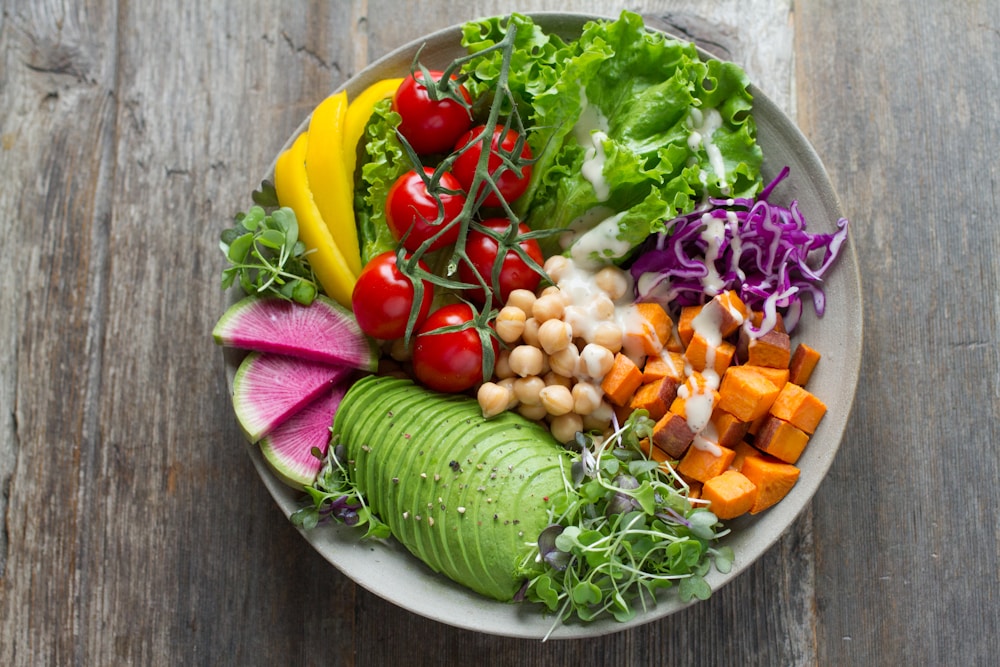
Anti-Inflammatory Eating for Men
Chronic low-grade inflammation is a key driver of both prostatitis (particularly CPPS) and hormonal disruption. An anti-inflammatory dietary pattern — rich in antioxidants, omega-3 fatty acids, and phytonutrients, while limiting processed foods and refined sugars — is one of the most consistently supported lifestyle interventions in men's health research.
Priority Nutrients & Indonesian Sources
🍅 Lycopene (Tomatoes, Papaya, Watermelon)
Lycopene is a carotenoid antioxidant concentrated in the prostate. Epidemiological studies consistently link higher lycopene intake with better prostate health outcomes. Bioavailability is highest in cooked or processed forms — making Indonesian tomato-based sambal and sup tomat excellent sources.
⚡ Zinc (Pumpkin Seeds, Shellfish, Tempe)
The prostate has one of the highest zinc concentrations in the body. Zinc supports testosterone production, spermatogenesis, and prostate epithelial function. Many Indonesian men are zinc-insufficient due to high refined carbohydrate intake. Biji labu (pumpkin seeds) are the richest plant-based source and an easy daily snack.
🐟 Omega-3 (Fatty Fish, Walnuts, Chia)
EPA and DHA fatty acids are potent anti-inflammatory agents that directly modulate the inflammatory pathways involved in prostatitis and CPPS. Indonesia's coastal diet provides abundant access to ikan makarel, tuna, and kembung — all excellent omega-3 sources.
🥦 Sulforaphane (Broccoli, Cauliflower, Cabbage)
Cruciferous vegetables activate the Nrf2 antioxidant pathway and have been studied for their role in prostate cellular protection. Including brokoli or kembang kol 4–5 times per week is a practical and evidence-aligned recommendation.
🍵 Green Tea EGCG
Epigallocatechin gallate (EGCG) in green tea is among the most researched polyphenols for men's health. Multiple studies show it modulates androgen receptor activity and supports prostate cell health. 2–3 cups of unsweetened green tea daily is a simple, culturally appropriate addition for Indonesian men.
What to Limit
- Spicy foods and caffeine — known bladder irritants that worsen CPPS symptoms in sensitive individuals
- Alcohol — disrupts testosterone metabolism and worsens inflammation
- Refined sugars and white rice excess — drives insulin resistance, which negatively affects testosterone and promotes systemic inflammation
- Processed meats (sosis, kornet) — high in saturated fat and nitrates linked to inflammatory markers
- Carbonated sweet drinks — teh botol, minuman bersoda worsen bladder irritation and metabolic health
You don't need a complete diet overhaul. Start with: switch teh botol for green tea 3× per week; add brokoli to 2 dinners per week; snack on biji labu instead of kerupuk; eat ikan instead of daging processed at least 3 times per week. Small consistent shifts compound significantly over 6–12 months.
Dietary changes support wellness but do not treat or cure prostatitis, hormonal disorders, or erectile dysfunction. Always consult a physician or registered nutritionist (ahli gizi) before making major dietary changes, especially if you have diabetes, kidney disease, or other chronic conditions.
Content on this site is educational only. Prostatitis requires professional diagnosis. If you experience pelvic pain, urinary symptoms, or changes in sexual function, consult a urologist (spesialis urologi) promptly.